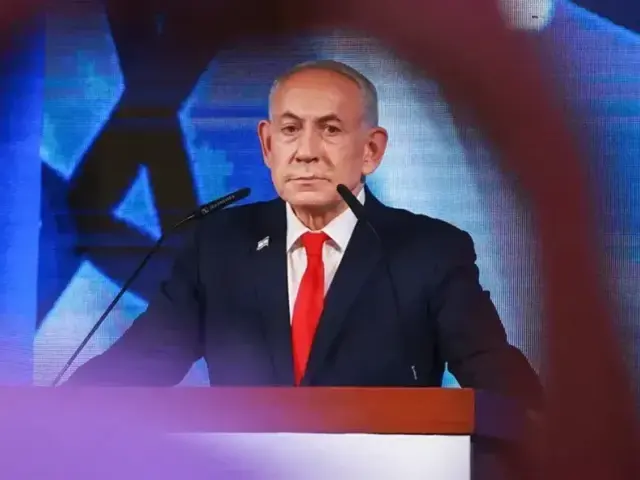
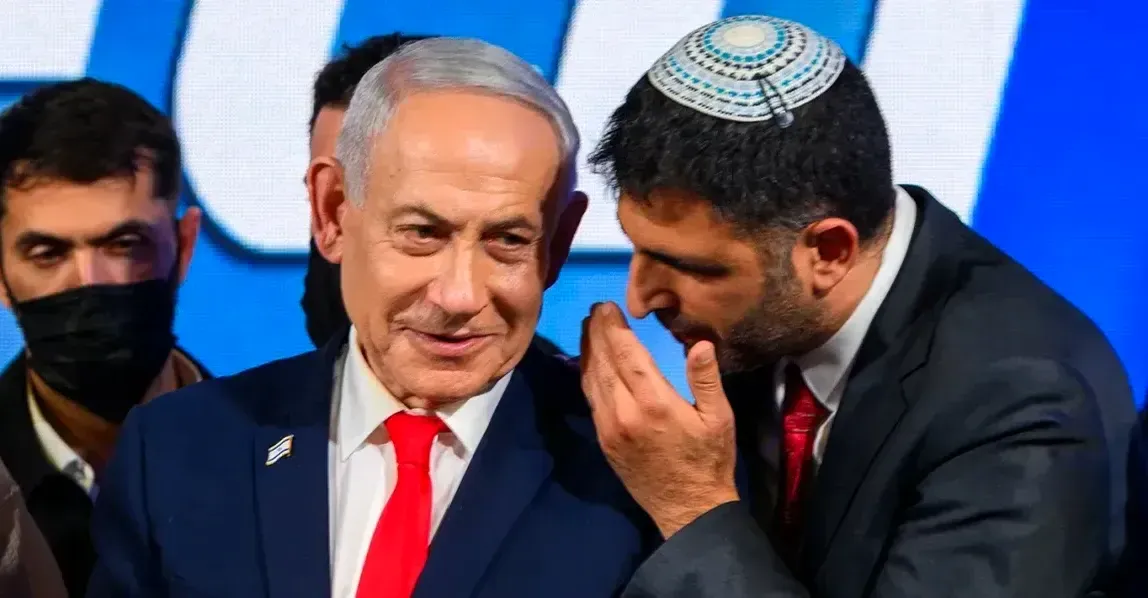
Israel enters a period of profound political uncertainty following final election results that confirm Prime Minister Benjamin Netanyahu’s bloc has lost its parliamentary majority. With his coalition securing only 53 of the 120 seats in the Knesset, the path back to power requires complex bargaining across a deeply divided ideological spectrum. The emergence of Arab led parties, who secured a historic 19 seats, has shifted the mathematical landscape, leaving both the ruling bloc and the main opposition scrambling to find a viable partner to reach the critical 61 seat threshold needed to govern.
The atmosphere surrounding these negotiations is fraught with tension, exacerbated by accusations and strategic maneuvering. Even before the official tally was finalized, Netanyahu and his Likud party floated unsubstantiated claims of foreign interference and electoral theft involving Arab parties. While security agencies and election officials have largely dismissed these claims as baseless, analysts suggest the rhetoric serves a specific purpose: painting any potential alliance between the center left opposition and Arab legislators as an act of betrayal. This tactic aims to squeeze rivals like Gadi Eisenkot, forcing them to either alienate their base or consider a fragile unity government with Netanyahu himself.
For many Israelis, the stakes extend far beyond simple parliamentary arithmetic. Supporters of a more inclusive coalition argue that embracing Arab parties is long overdue for the health of the democracy, while skeptics remain wary of such partnerships. Meanwhile, those eager to see Netanyahu exit office point out that his departure would likely trigger immediate legal reckonings regarding longstanding corruption allegations and formal inquiries into the catastrophic security lapses preceding the October 7 attacks. For now, however, the nation waits in a tense silence as President Isaac Herzog prepares to task a leader with building a government that can survive its own contradictions.
Should these efforts fail and no stable coalition emerge from the current deadlock, Israel faces the prospect of yet another election early next year. To avoid further instability, President Herzog has pledged to exhaust every option available to secure a functioning administration. Until then, the focus shifts toward November 10, when the new Knesset is sworn in. If opposing blocs manage to coordinate quickly enough, they may seize control of the parliamentary agenda even before a prime minister is officially seated, marking a significant shift in power regardless of who ultimately holds the premiership.